
Installations




Installations
Mary Bridge Children’s Hospital
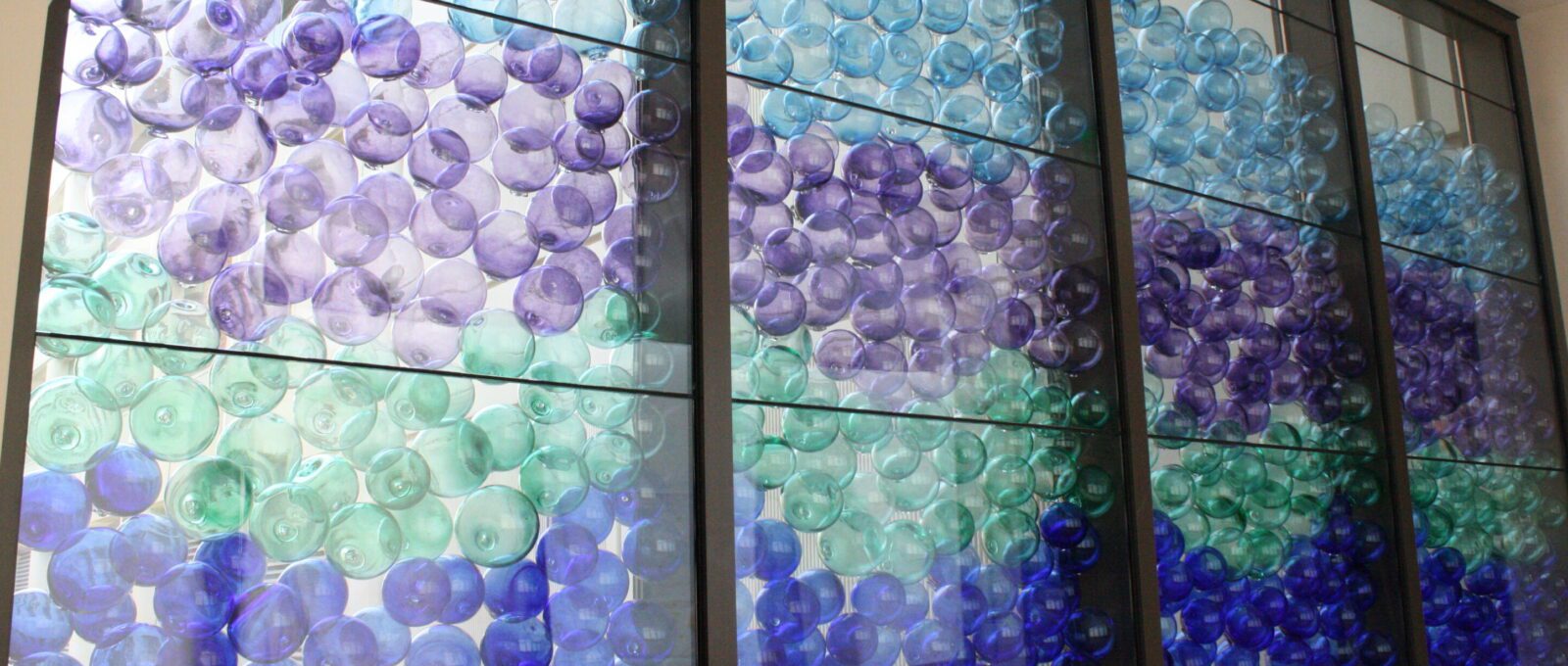
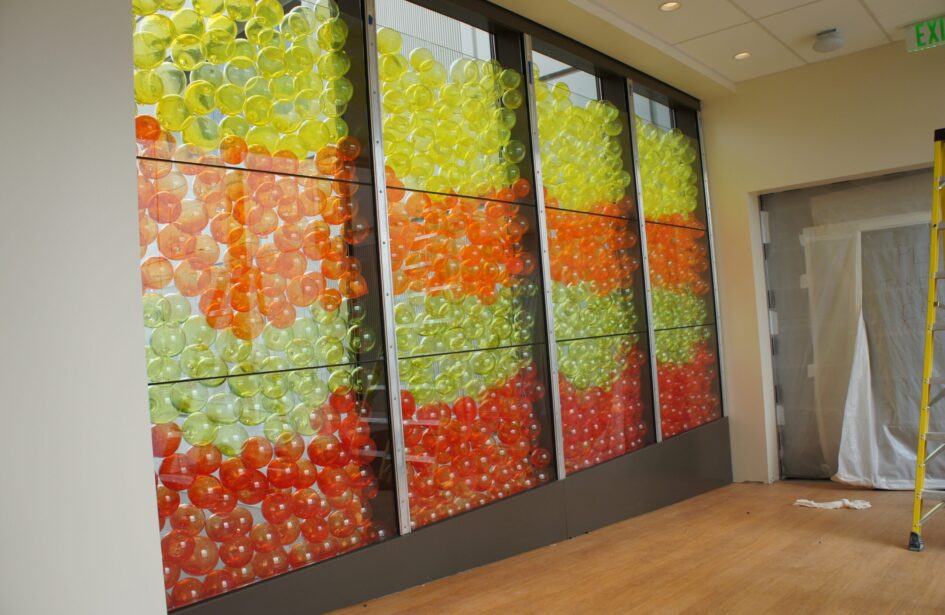
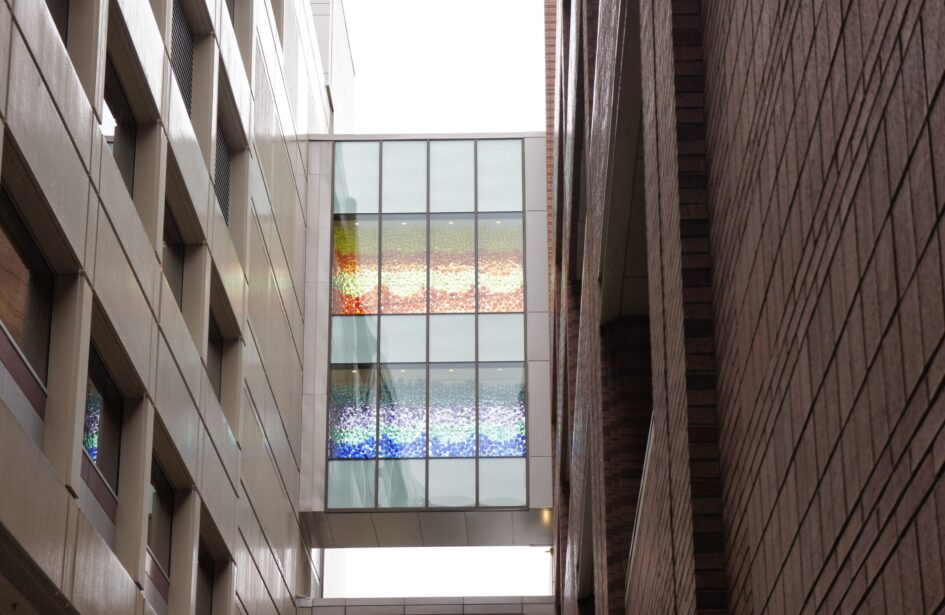
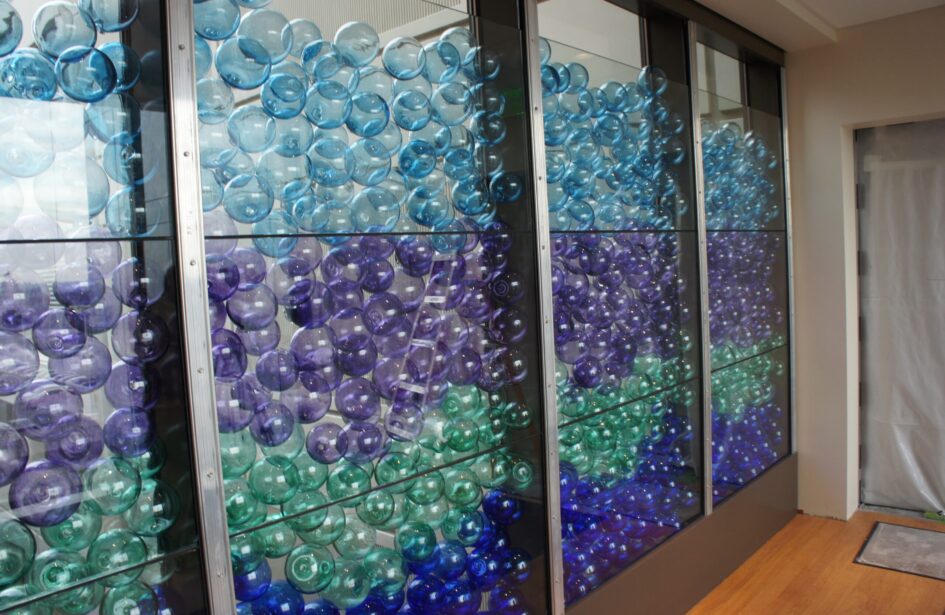
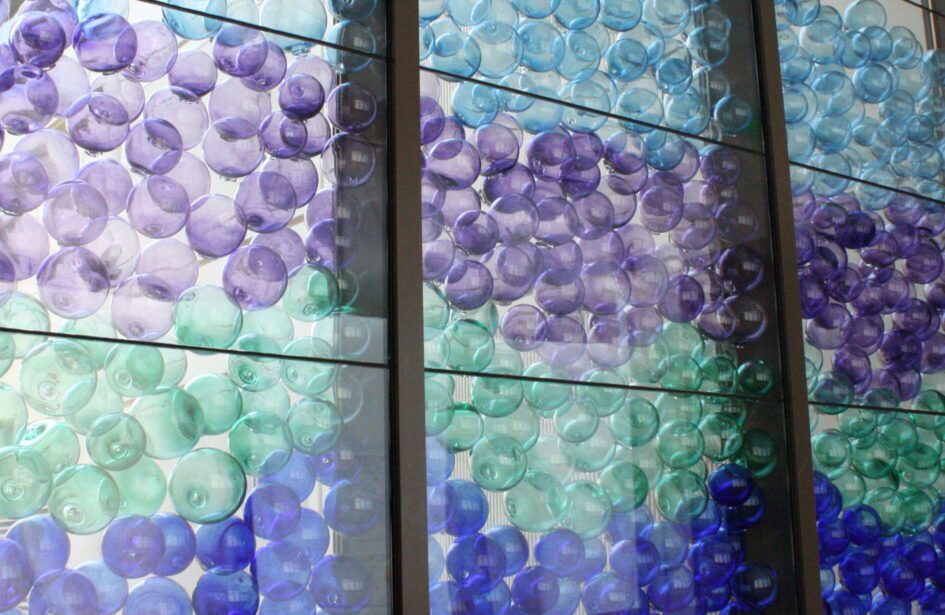
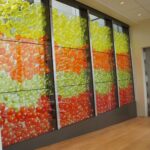
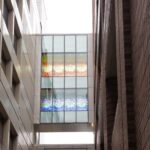
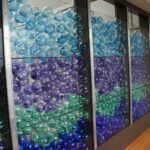
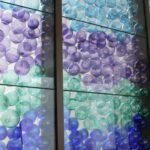
For the installation at MultiCare’s Mary Bridge Children’s Hospital, students created over 1,800 glass floats that line the facility’s skyway. As the art was installed, many conversations – among nurses, camera crew, doctors, and students – centered on the belief that this art would create a message of inspiration, encouragement, and healing for years to come. Watch this film to learn more about this installation.
Our Dreams
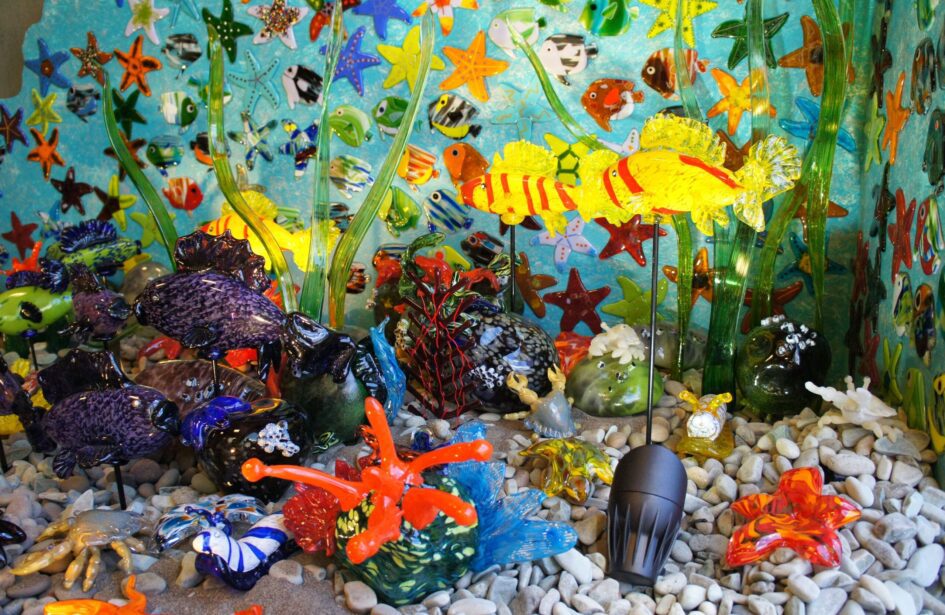
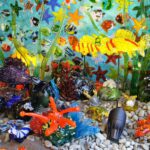
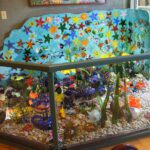
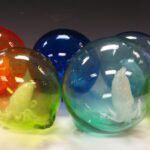
Our Dreams was on display at the W.W. Seymour Botanical Conservatory in the spring of 2018. Created by the participants of the Arts Connect Program, this mixed-media exhibit explored the theme of dreams in their artwork using glass, paint, paper, writing, and sound.
A mixed media exhibition featuring artwork made by the young women of Hilltop Artists’ Arts Connect Program. Arts Connect participants explore the theme of dreams in their artwork using glass, paint, paper, writing and sound.


Arts Connect is Hilltop Artists’ community-based program for young women who are involved with the Pierce County Juvenile Court, on probation, diversion or in foster care. The program consists of quarterly 10-week sessions in glass, ceramics, photography, printmaking, or other art forms. A team of adults, including professional artists, leads these weekly, three-hour classes at community sites, with support from probation officers, GaLs, CASAs (Court Appointed Special Advocates), and volunteers.
Common Threads
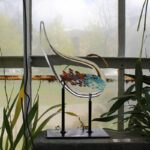
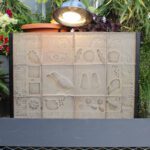
Common Threads, was on display at the W.W. Seymour Botanical Conservatory in the spring of 2016. Our students investigated folk art and storytelling, and translated what they learned into glass art through sandcasting, blown glass, fusion, and mosaics.
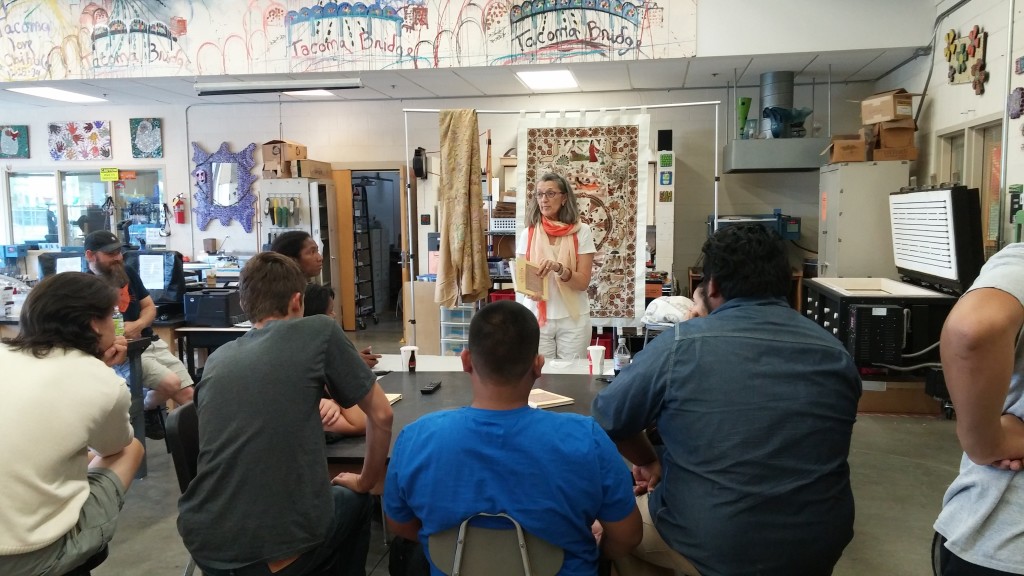
At the beginning of the 2015-16 school year, Cathy Stevulak and Leonard Hill—co-Producers of THREADS—visited the hot shop and introduced students to Kantha. THREADS is the story of Surayia Rahman, a self-trained, passionate artist who guided hundreds of underprivileged women in Bangladesh to create Kantha masterworks. The documentary film has been shown around the world at several film festivals.
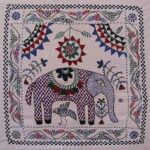
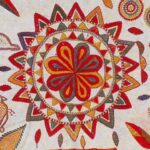
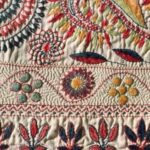
Cathy and Leonard’s hot shop visit was a treat for students and staff. They explained that Kantha originated as a way to re-use old saris. Tattered saris could be pieced together with tight stitching and made into new items, such as bedspreads. Women might add decorations and designs, but their primary use was utilitarian. Surayia Rahman knew they could be so much more and encouraged the practice of hanging the textiles as art. She turned this into an opportunity to empower vulnerable women, giving them a respected job with livable wages.
This use of art to improve the prospects of individuals resonates with the Hilltop Artists mission to connect young people to better futures.
Kantha-style textiles have become very popular in the United States in recent years and can be found in many chain stores. In the spirit of Surayia’s achievements, however, we recommend buying Kantha from a ethical fair trade source, such as Dignify.
Cathy and Leonard also shared the powerful storytelling capabilities of Kantha and led students through an exercise to draw their own stories. This presentation was the perfect springboard to dive into creating glass art inspired by Kantha embroidery. As can be seen in the student-made art, our youth have incorporated ideas from Kantha in a variety of creative ways.
If you are interested in commissioning an installation, please contact Jessica Hogan at jhogan@hilltopartists.org or (253) 571-7761.